Individuals with neurodevelopmental disorders are at increased risk of comorbid psychiatric and behavioral challenges, and as such, they interact frequently with mental health crisis responders. This presentation aims to provide clinical information about neurodevelopmental disorders (intellectual disabilities, autism spectrum disorder, ADHD), their comorbidities, mental health and safety risks, and approaches to management.
Learning Objectives:
- Discuss approaches and tools for intervention during NDD crisis
- Review the current landscape for treatment, both acutely and longitudinally
- Understand similarities and differences between common neurodevelopmental disorders
- Analyze the psychiatric and behavioral comorbidities
- Evaluate the risks for mental health crisis in neurodevelopmental disorders
- Discuss approaches and tools for intervention during NDD crisis
- Review the current landscape for treatment, both acutely and longitudinally
Bio:
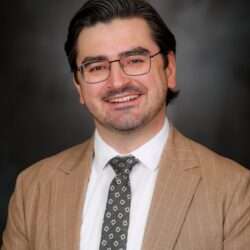
Assistant Professor of Child and Adolescent Psychiatry, University of Minnesota Medical School, Department of Psychiatry & Behavioral Sciences. After completing an undergraduate degree in neuroscience at Drake University and medical doctorate at St. Louis University School of Medicine, Dr Jaschek (pronounced Jass-ick) pursued postgraduate training in psychiatry. He completed his general psychiatry residency at University of Wisconsin – Madison followed by a child and adolescent psychiatry fellowship at Washington University, with additional time training in the St. Louis Children’s Hospital Autism Clinical Center. Dr. Jaschek works at the Masonic Institute for the Developing Brain in Minneapolis in an outpatient clinic focusing on psychiatric management of autism spectrum disorder and other neurodevelopmental disorders and spends time at Masonic Children’s Hospital on the pediatric psychiatry consult service.
Curriculum
- 1 Section
- 1 Lesson
- Lifetime
- Course Content1 Item