This presentation is an educational session on co-occurring disorders in autistic adults, individuals with intellectual disabilities, and other vulnerable adults — covering prevalence, diagnostic challenges like overshadowing, and how mental health conditions present in these populations. It walks through Minnesota’s vulnerable adults’ legal protections and reporting framework, then closes with evidence-based treatment approaches and advocacy guidance for families. Throughout, it grounds the material in recent peer-reviewed research and practical tools parents and supporters can use.
Learning objectives:
- What are co-occurring disorders? Definitions, prevalence why they matter.
- Autism, Intellectual disability and mental health. How co-occurring disorders present in these populations.
- Diagnostic challenges and overshadowing. Why conditions get missed and what to watch for.
- Vulnerable adults and legal protections. Minnesota law and rights.
- Treatment, advocacy and resources. What works, how to advocate and where to go for help.
Bio:
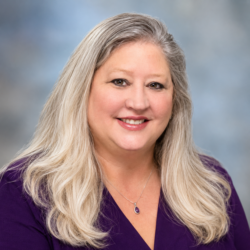
Christi Courtney, MA, LADC, is a Licensed Alcohol and Drug Counselor specializing in the assessment and treatment of individuals with co-occurring mental health and substance use disorders, including justice-involved and other vulnerable populations. She holds a master’s degree in Addiction Counseling and Integrated Recovery for Co-Occurring Disorders as well as a Graduate Certificate in Clinical Supervision. She is currently completing supervised clinical hours toward full clinical licensure as an LPCC (Licensed Professional Clinical Counselor). Christi is pursuing a PhD in Forensic Psychology, with interests in trauma, neurodevelopmental disorders, co-occurring disorders, and improving behavioral health care for vulnerable populations. Her clinical and educational work is guided by the philosophy “Behavior is Information, Not the Diagnosis,” emphasizing compassionate, trauma-informed, whole-person care.
Curriculum
- 1 Section
- 1 Lesson
- Lifetime